Blog
Contact us via Whatsapp
In Which Situations Is an Enclosed Variac Preferred, and What Advantages Does It Offer to Users?
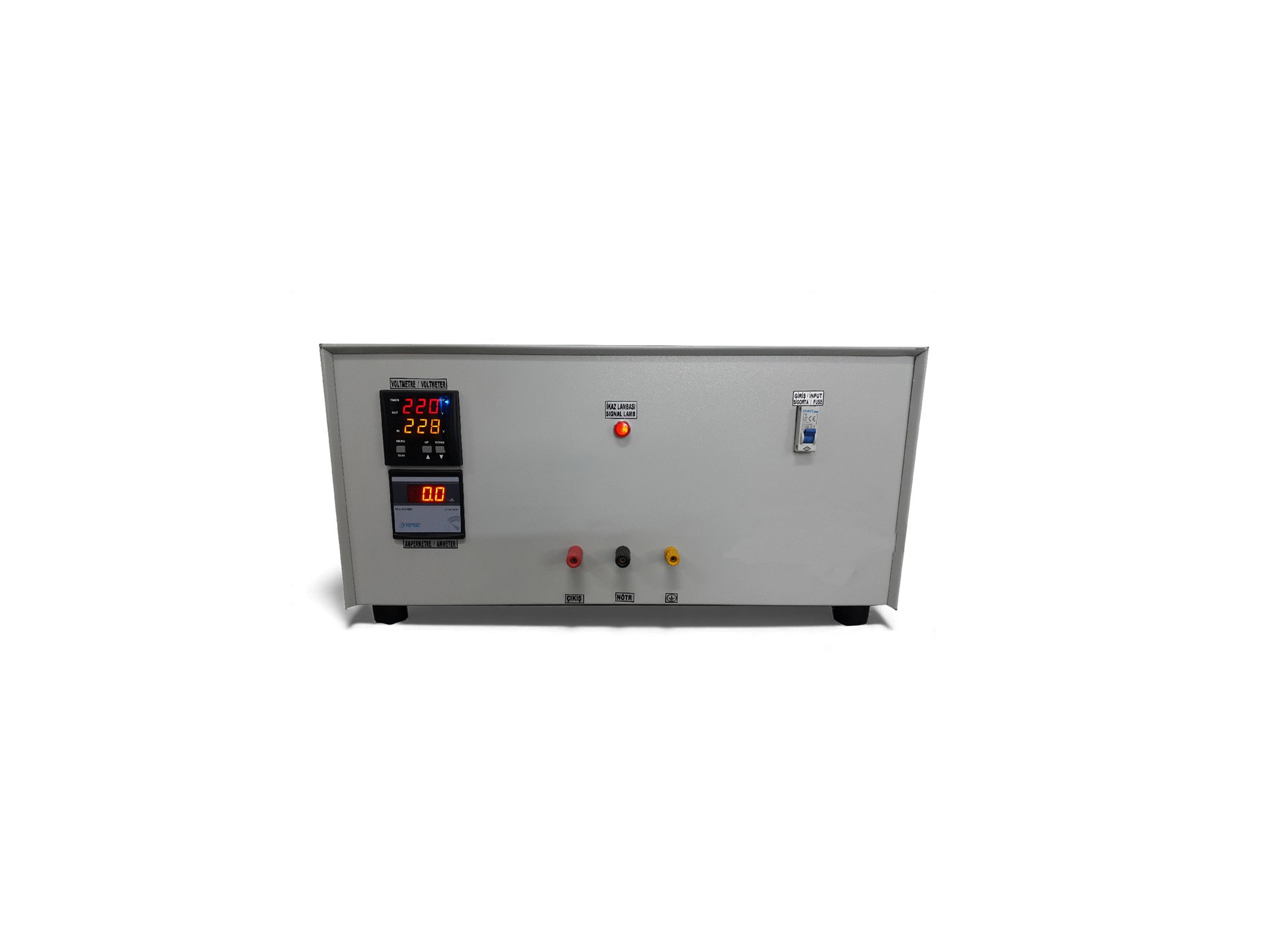
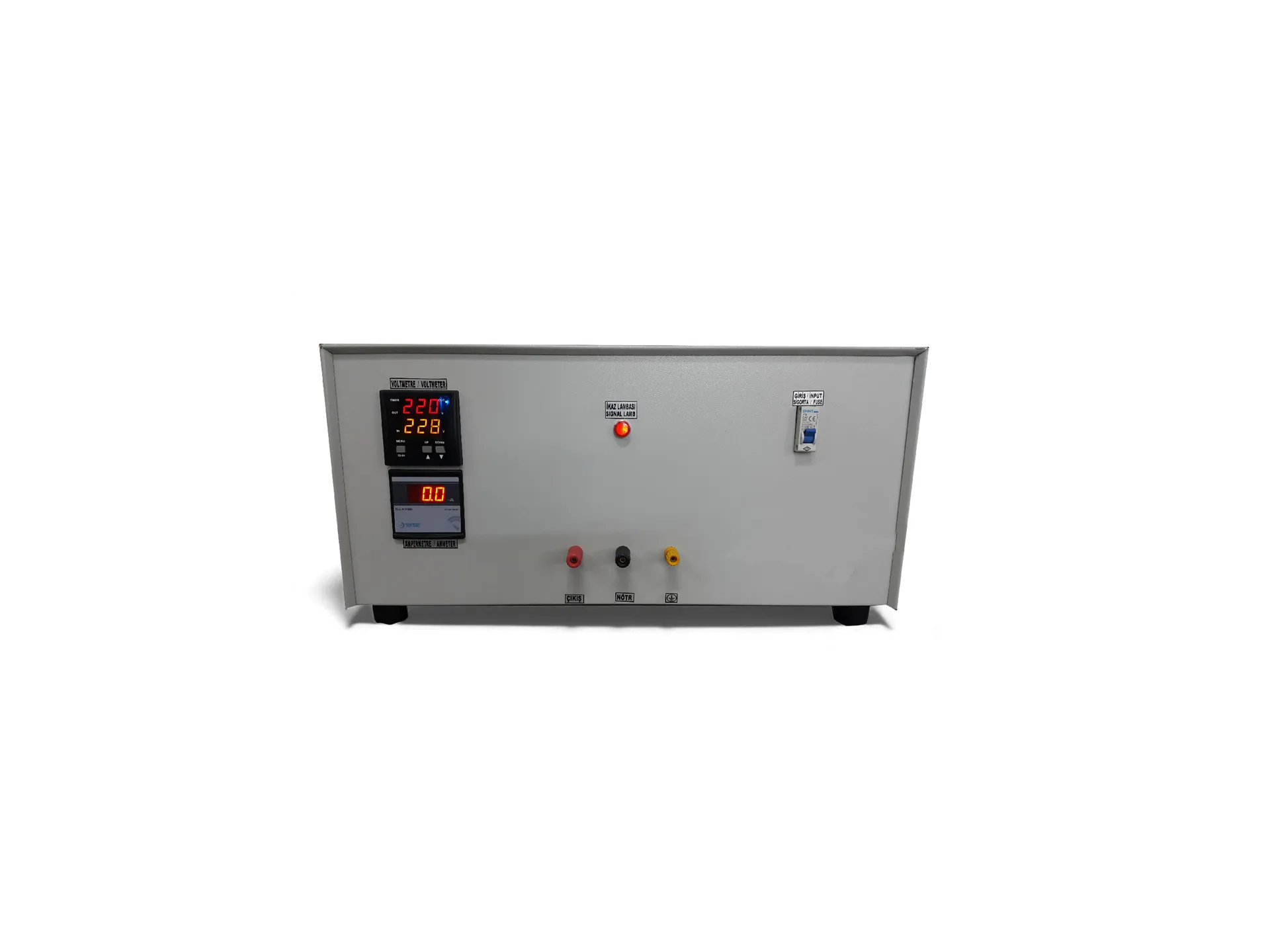
An enclosed variac is a specialized voltage adjustment device designed to manually or automatically set the desired voltage with high precision. Users commonly prefer this device in laboratories, service centers, testing environments, and anywhere controlled voltage regulation is required. Inside the unit, the variac is formed by a single-layer enamel copper winding around a toroidal steel core, allowing the output voltage to be adjusted smoothly and accurately. With the integrated PEA-72-01 control board, the device can display real-time input voltage, output voltage, and current draw. The board also records the highest and lowest measured values and allows the user to reset them when needed.
Key advantages of enclosed variacs:
-
Digital input–output voltmeter for precise measurement
-
Digital ammeter for real-time current monitoring
-
Ability to store the highest and lowest recorded values
-
Reset capability for stored data and measurements
-
Calibration of input–output voltage and current
-
Wide 0–300 V voltage adjustment range (single phase)
-
Terminal connection or socket output options
-
Quick and easy operation with a plug-in power cable
-
Safety protection via mini circuit breaker
-
High efficiency and quiet operation
-
Manual or automatic adjustment modes
-
Durable, ergonomic, and portable enclosure
-
ISO 9001:2008 quality standard compliance
In summary, an enclosed variac is an ideal solution for any application requiring precise voltage control. With its wide adjustment range, digital monitoring capabilities, and user-friendly design, it provides a reliable and practical tool for both professionals and hobbyists.